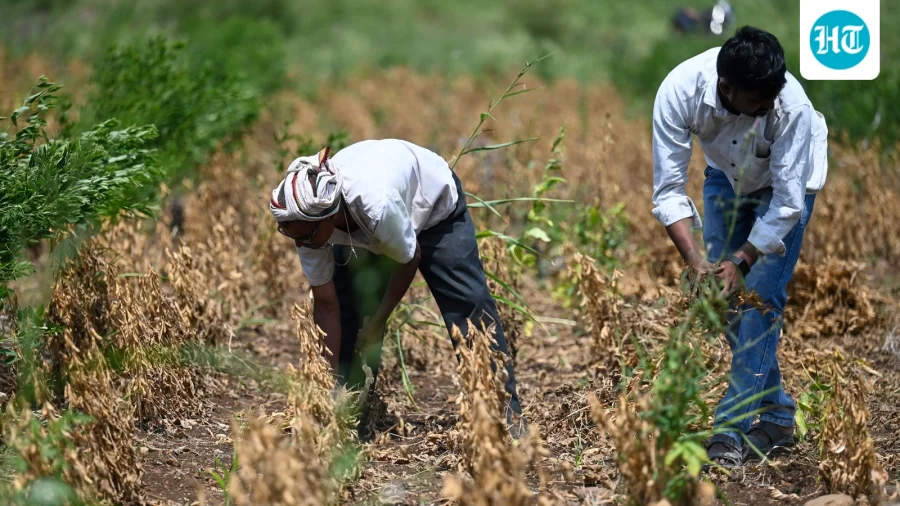
The fields are dry, the wells are running low, and for many families in Latur, the only source of quick cash has been the village moneylender. Now, the district administration is moving against those who have turned that desperation into profit.
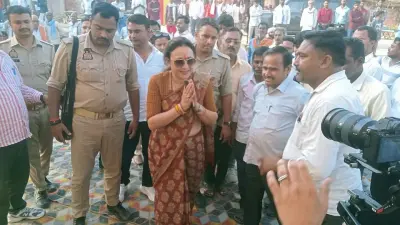
Authorities conducted inspections at 13 locations across Latur, Udgir, and Devani — a coordinated sweep aimed at unlicensed moneylenders operating in the shadow of a worsening agricultural crisis.
Why Latur Is Chasing Moneylenders Right Now
Drought-like conditions have tightened their grip on Latur district, leaving farmers with failing crops and shrinking incomes. When formal credit becomes hard to access, many turn to informal lenders — often at interest rates that far exceed legal limits.
Officials said the inspections were part of an effort to curb these practices before they push more families into irreversible debt.
The Debt Trap That Follows a Failed Harvest
In rural Maharashtra, the link between crop failure and predatory lending is well documented. A farmer who borrows at 10% monthly interest — a rate illegal under the Maharashtra Money-Lending (Regulation) Act — can see a modest loan balloon into an unpayable sum within a single season.
For families already stretched by drought, the consequences can be severe: land transfers, asset seizures, and in extreme cases, distress migration.
Where the Inspections Took Place
The operation covered three key locations in Latur district: Latur city, Udgir, and Devani. According to officials, searches were conducted simultaneously to prevent tip-offs and ensure that records could be examined on the spot.
The administration has not yet disclosed how many lenders are under scrutiny or whether any have been formally charged.
Who Is Affected — and Why It Matters Beyond Latur
The crackdown directly impacts two groups: unlicensed lenders who now face potential prosecution, and borrowers who may finally have a legal avenue to challenge exploitative terms.
But the story extends beyond Latur. Across Marathwada — a region historically prone to drought — similar patterns of debt-driven distress have been reported for years. What happens in Latur often signals what other districts may do next.
What Officials Have Said — and What They Haven't
Officials confirmed the searches were conducted in Latur, Udgir, and Devani. They described the action as part of ongoing efforts to regulate informal lending.
However, no official statement has been issued on the number of lenders identified, the amounts involved, or whether any arrests have been made. This article will be updated as verified information becomes available.
Reading the Signal Behind the Raids
Enforcement against moneylenders is not new in Maharashtra. But timing matters. When drought conditions intensify, the political and administrative pressure to act rises — both to protect vulnerable borrowers and to prevent the kind of debt-related tragedies that have made national headlines in the past.
The Latur inspections suggest the district administration is trying to get ahead of that curve.
Confirmed Facts vs What Remains Unclear
Confirmed: Inspections were conducted at 13 locations in Latur, Udgir, and Devani. The action was carried out by the district administration.
Unclear: How many lenders are under investigation, whether any have been arrested, what specific violations were found, and how borrowers can file complaints. These details have not been officially released.
Risks and the Other Side of the Story
Cracking down on illegal lending is widely seen as necessary. But it also raises a practical question: if informal credit is curtailed, where will drought-affected families turn?
Formal banking channels often require documentation, collateral, or credit histories that many rural borrowers lack. Without a parallel expansion of accessible institutional credit, enforcement alone may not solve the underlying problem.
A Pattern That Keeps Repeating
Latur's action fits into a larger, recurring pattern across India's drought-prone regions: crop failure leads to debt, debt leads to exploitation, and exploitation eventually triggers administrative intervention. The cycle is familiar. Breaking it has proven far harder.
What Borrowers and Residents Should Know
If you or someone you know has borrowed from an unlicensed lender at excessive interest rates, the district administration's current focus may provide an opening to seek help. Under Maharashtra's moneylending regulations, lenders must be licensed, and interest rates are capped.
Residents are advised to approach local revenue offices or the district collectorate for guidance on filing complaints. Avoid informal agreements that lack written terms — they are difficult to challenge later.
What Could Happen Next
If the inspections yield evidence of unlicensed lending, formal cases could follow. The administration may also expand its scrutiny to other talukas in Latur district.
Much will depend on whether the state government pairs enforcement with relief measures — loan restructuring, expanded credit access, or drought compensation — that address the root cause of why illegal lending thrives in the first place.
Our Take
The Latur administration's decision to inspect 13 locations is a necessary step. Illegal moneylending flourishes where formal credit fails, and drought makes that failure more visible. But enforcement without alternatives risks pushing borrowers deeper into the shadows rather than protecting them.
The real test will be whether this crackdown is followed by something more durable: accessible, affordable credit for the people who need it most.
Frequently Asked Questions
What is illegal moneylending?
Illegal moneylending refers to lending without a valid license or charging interest rates above the legal limit. In Maharashtra, moneylenders must register under the Maharashtra Money-Lending (Regulation) Act, and interest rates are capped.
Why is Latur cracking down on moneylenders now?
Drought-like conditions have increased financial distress among farmers and rural households, making them more vulnerable to exploitative lending. The administration's inspections aim to curb these practices before they worsen.
Where were the inspections conducted?
Officials confirmed inspections at 13 locations across Latur, Udgir, and Devani in Latur district.
What should borrowers do if they are trapped in a debt cycle?
Borrowers can approach local revenue offices or the district collectorate for guidance. It is advisable to keep written records of all transactions and avoid informal agreements that lack documentation.