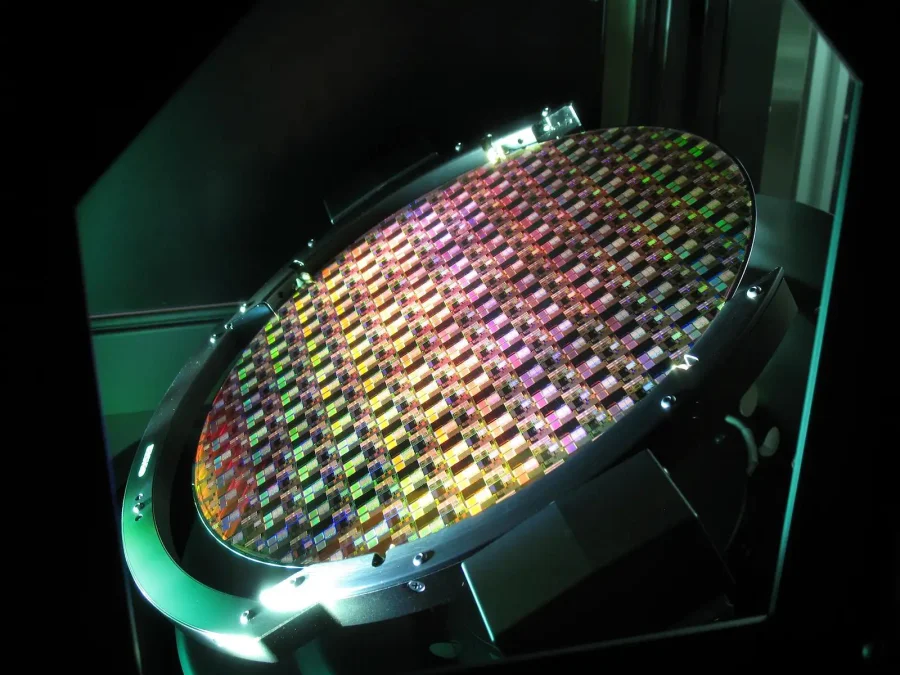
The global memory shortage has sent prices soaring, disrupted supply chains, and forced companies to rethink their hardware strategies. Now, a stealth startup called Kepler Computing claims it has found a way out—not by building more factories, but by rethinking the chip itself.
What Kepler Computing Claims About the Memory Shortage
Kepler Computing says its new approach to chip design, combined with a proprietary material, could help end the supply bottlenecks that have driven memory prices up sharply. The company has not disclosed the exact material or the full architecture, but the core promise is a fundamental shift in how memory is manufactured.
According to the original report, the startup believes its technology can bypass some of the most constrained steps in traditional memory production. That could mean faster output, lower costs, and less dependence on the few suppliers that dominate the market today.
Why the Memory Shortage Has Become a Global Problem
Memory chips are the silent workhorses of modern technology. They power everything from smartphones and laptops to data centers and AI systems. When supply tightens, the ripple effects are immediate: higher prices for consumers, delayed product launches, and squeezed margins for manufacturers.
The current shortage has been fueled by surging demand for AI workloads, which require massive amounts of high-bandwidth memory. At the same time, production capacity has not kept pace, leaving the industry in a persistent state of imbalance.
How Kepler's Approach Could Differ From Existing Solutions
Most efforts to solve the memory shortage have focused on expanding production capacity—building new fabs, increasing yields, or shifting to advanced nodes. Kepler's claim is different. Instead of scaling up the existing model, it proposes a change in the fundamental materials and design of memory chips.
The company argues that its proprietary material can deliver performance comparable to or better than current memory types, while being easier to produce at scale. If true, this would reduce the industry's reliance on the most bottlenecked parts of the supply chain.
Who Stands to Benefit If Kepler's Technology Works
The potential beneficiaries are broad. Chipmakers could gain a new manufacturing path that avoids current constraints. Device manufacturers could see more stable pricing and supply. Consumers might eventually pay less for products that have become noticeably more expensive over the past year.
For AI companies, the stakes are even higher. Memory has become a critical constraint on model training and inference. A new, scalable memory solution could accelerate progress in the field.
What Kepler Has Said Publicly So Far
Kepler Computing has remained largely under the radar, consistent with its stealth status. The company has not published detailed technical papers or announced major partnerships. Its claims are based on internal research and development, which has not yet been independently verified.
This lack of public data makes it difficult to assess the credibility of the startup's assertions. Industry observers will likely wait for more concrete evidence, such as a working prototype or third-party benchmarking, before taking the claims at face value.
Why the Memory Industry Is Watching This Closely
The memory market is dominated by a handful of players, and entry barriers are extremely high. A new entrant with a genuinely different approach could disrupt the status quo. Even a partial success could ease pricing pressure and provide an alternative source of supply.
However, the history of chip innovation is full of promising technologies that failed to scale commercially. The gap between a laboratory breakthrough and mass production is vast, and Kepler has not yet demonstrated that it can cross it.
Confirmed Facts vs What Remains Unclear
What is confirmed is that Kepler Computing exists and has made a public claim about its technology. The company says its proprietary material and chip design can address memory supply bottlenecks. Beyond that, few details are available.
What remains unclear is the nature of the material, the specifics of the design, and whether the approach can be manufactured at scale. There is also no independent verification of the startup's performance claims. All of this should be treated as reported claims rather than established facts.
Kepler's Potential Moat: Proprietary Material and Design
If Kepler's technology is real, its moat would come from two sources. First, the proprietary material itself, which could be protected by patents and trade secrets. Second, the chip architecture that leverages this material, which would require significant expertise to replicate.
The company's stealth approach suggests it is trying to build a defensible position before revealing its hand. Whether that position is strong enough to withstand the scrutiny of the memory industry remains to be seen.
Risks and Balanced View of Kepler's Claims
There are several reasons for caution. The memory industry is capital-intensive, and new entrants often struggle to compete with established players who have decades of manufacturing experience. Kepler has not disclosed its funding, partners, or production plans.
Critics might also point out that many startups have claimed breakthroughs in chip technology without delivering commercial products. The gap between a promising concept and a viable product is enormous, and Kepler has yet to show it can bridge it.
The Broader Trend: Rethinking Memory Architecture
Kepler's approach fits into a wider industry shift toward alternative memory technologies. As traditional memory scaling slows, researchers and companies are exploring new materials, architectures, and integration methods. The goal is to find solutions that can keep pace with the demands of AI and other data-intensive workloads.
If Kepler succeeds, it could accelerate this trend and inspire others to pursue similar paths. If it fails, it will be another cautionary tale about the difficulty of disrupting a mature industry.
What Readers Should Watch For Next
For those following the memory market, the key signals to watch are clear. Has Kepler published any technical details? Has it announced a partnership with a major manufacturer? Has it demonstrated a working prototype? Any of these would provide more substance to evaluate the claims.
Until then, the prudent approach is to treat Kepler's announcement as an interesting development with unproven potential. The memory shortage is real, and solutions are needed, but not every claim of a breakthrough will hold up under scrutiny.
Future Outlook: What Could Happen Next
The coming months will be critical for Kepler Computing. The company will need to provide more evidence to back its claims, whether through technical disclosures, pilot production, or industry partnerships. Without such evidence, its announcement is likely to remain a footnote in the broader memory story.
If the technology does prove viable, the implications could be significant. A new memory solution that eases supply constraints would be welcomed by an industry struggling to meet demand. But that is a big "if," and the burden of proof rests with the startup.
Our Take
Kepler Computing's claim is intriguing but unproven. The memory shortage is a genuine problem, and innovative solutions are needed. However, the startup's stealth status and lack of public data make it impossible to assess the credibility of its technology.
The story matters because it highlights the growing pressure on the memory industry and the search for alternatives. Whether Kepler is the answer or not, the underlying problem will persist, and the industry will continue to look for ways to solve it.
Frequently Asked Questions
What is Kepler Computing claiming about the memory shortage?
Kepler Computing claims that its proprietary material and novel chip design can help end the supply bottlenecks that have caused memory prices to surge. The company has not disclosed full technical details.
How could Kepler's technology address the memory shortage?
The startup says its approach reduces reliance on the most constrained parts of traditional memory manufacturing, potentially enabling faster production and lower costs. This claim has not been independently verified.
Is Kepler Computing a publicly traded company?
No, Kepler Computing is a stealth startup, meaning it operates with limited public information. It has not announced any plans for an initial public offering.
What should the industry do to verify Kepler's claims?
Independent verification would require Kepler to publish technical specifications, demonstrate a working prototype, or partner with a reputable manufacturer for third-party testing. Until then, the claims remain unproven.