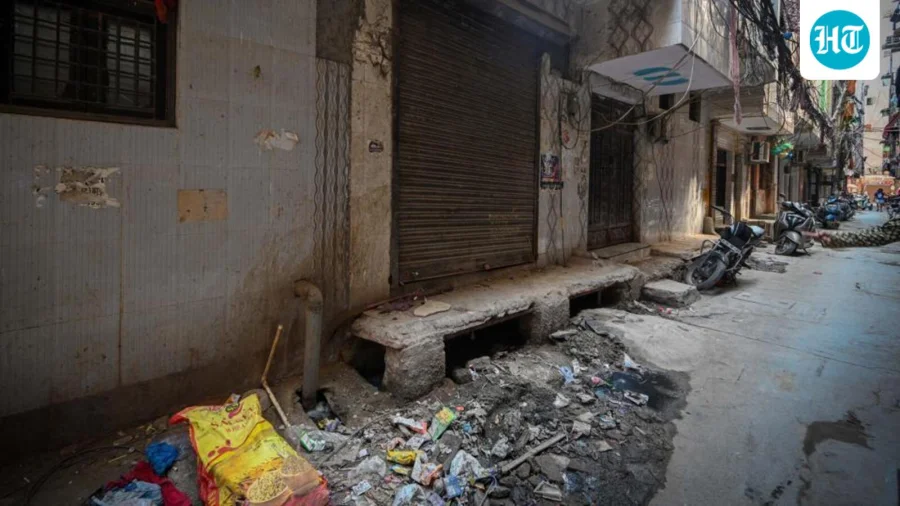
The tragic loss of three lives while cleaning a septic tank in Odisha’s Tarapaguda village has cast a shadow over the community. According to police, the workers had entered a newly constructed septic tank at a house to clean it, a task that turned fatal. The incident raises urgent questions about worker safety and the perils of such hazardous jobs.
What Happened in Tarapaguda Village
Police reported that the three workers entered the septic tank at a residential property in Tarapaguda village. The exact sequence of events leading to their deaths is still unclear, but initial reports suggest they may have been overcome by toxic gases inside the confined space. Such incidents are tragically common when proper safety protocols are not followed.
Why This Incident Demands Attention
This is not an isolated tragedy. Across India, workers who clean septic tanks and sewers face extreme risks, often without adequate protective gear or training. The deaths in Tarapaguda village highlight a systemic failure to protect those in essential but dangerous jobs. Each such incident is a stark reminder of the human cost behind basic sanitation.
The Recurring Hazard of Toxic Fumes
Septic tanks are oxygen-deficient environments that can contain lethal gases like methane and hydrogen sulfide. Even brief exposure can cause unconsciousness and death. In many cases, multiple fatalities occur because co-workers or rescuers rush in to help without proper equipment, becoming victims themselves. This pattern appears to be a critical factor in such tragedies.
Who Is Affected by This Tragedy
The immediate victims are the families of the three workers, who have lost their breadwinners in a sudden and devastating manner. The broader community in Tarapaguda village is also in shock. Beyond the personal loss, this incident affects everyone who relies on sanitation services, underscoring the need for safer practices and better regulation.
Official Response and Investigation
Police have confirmed the deaths and are investigating the circumstances. Their response will be crucial in determining the exact cause and whether any safety violations occurred. The local administration's next steps will be watched closely by the community and by advocates for worker safety.
Analyzing the Safety Lapses
The core issue is the lack of enforcement of safety standards for hazardous waste cleaning. Despite laws like the Prohibition of Employment as Manual Scavengers and their Rehabilitation Act, 2013, implementation remains weak. This tragedy in Odisha points to a persistent gap between legislation and ground reality, where workers continue to risk their lives without adequate safeguards.
Confirmed Facts vs What Remains Unclear
It is confirmed that three workers died while cleaning a newly constructed septic tank in Tarapaguda village, and that police are involved. What remains unclear is the exact cause of death, whether any safety equipment was provided, and the identities of the deceased. These details will only emerge as the investigation progresses.
Risks and the Need for Stricter Enforcement
The risks faced by sanitation workers are immense, from toxic gas exposure to lack of emergency response plans. Critics argue that despite laws, there is little accountability for contractors or homeowners who hire workers without ensuring safety. This incident is a grim reminder that without strict enforcement and awareness, such deaths will continue.
A Pattern of Preventable Tragedies
This event in Odisha is part of a disturbing national pattern. Similar incidents are reported from various states, often involving workers who are unaware of the dangers or lack protective gear. The repetition of these tragedies suggests a need for a fundamental change in how sanitation work is valued and regulated.
What Should Be Done Now
For now, the priority is to support the families of the deceased and ensure a thorough investigation. In the longer term, there must be a push for mandatory safety training, provision of protective equipment, and strict adherence to protocols for confined space entry. Homeowners and contractors must also be educated about their responsibility to ensure safe working conditions.
Future Outlook for Worker Safety
The hope is that this tragedy will spur action, not just sympathy. There is a growing call for mechanized cleaning solutions and better enforcement of existing laws. Until then, workers in Tarapaguda village and across India remain vulnerable. The future of sanitation work must be one where no one has to die to keep our surroundings clean.
Our Take
The deaths of three workers in Tarapaguda village are a profound loss that should never have happened. It is a stark reminder that progress is meaningless if it leaves behind those who perform its most essential tasks. This is not just a local tragedy but a national indictment of our failure to protect the most vulnerable workers. The only fitting tribute to these men would be a decisive move towards safer, dignified sanitation work for all.
Frequently Asked Questions
What happened in Tarapaguda village?
Three workers died while cleaning a newly constructed septic tank at a house in Tarapaguda village, Odisha. Police have confirmed the incident.
Why do workers die while cleaning septic tanks?
Septic tanks contain toxic gases like methane and hydrogen sulfide and lack oxygen. Workers can be overcome by these fumes quickly, leading to unconsciousness and death, especially without proper safety gear.
What is the law against manual scavenging in India?
The Prohibition of Employment as Manual Scavengers and their Rehabilitation Act, 2013, prohibits manual scavenging. However, enforcement is often weak, and hazardous cleaning of sewers and septic tanks continues.
What safety measures should be taken for septic tank cleaning?
Proper safety measures include using protective gear, ensuring ventilation, testing for toxic gases, and having a rescue plan. Ideally, mechanized cleaning equipment should be used to avoid human entry into such hazardous spaces.