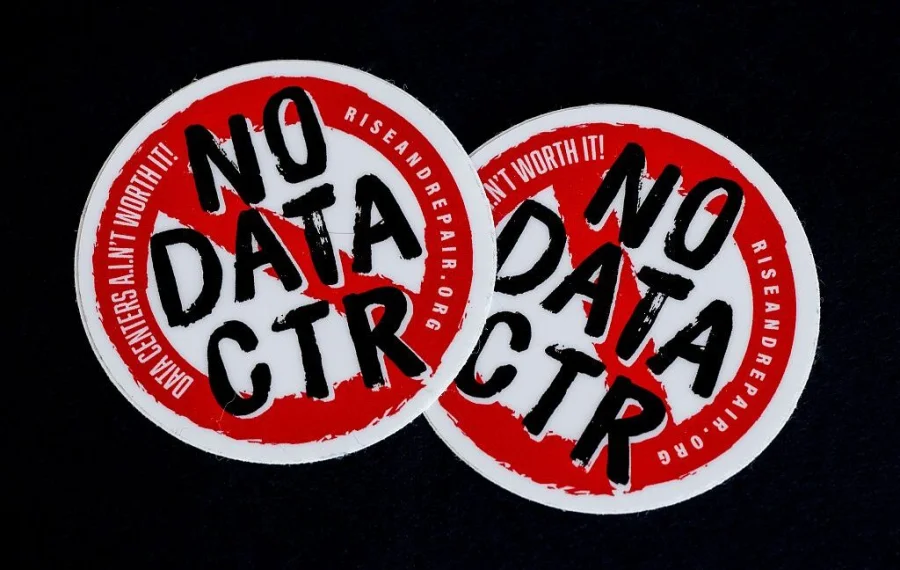
In a quiet suburban county outside Washington, D.C., a group of residents gathered at a zoning board meeting last January. They held signs, cited noise studies, and read from a script they had found online. By March, the $2 billion data center project planned for their neighborhood was dead.
That scene has repeated itself across the United States with startling frequency. In the first three months of 2026, local opposition blocked or delayed at least 75 data center projects worth an estimated $130 billion, according to Data Center Watch, a project from AI intelligence firm 10a Labs that tracks data center fights nationwide.
It is, researchers say, the highest three-month total since the group began tracking in 2023 — and it is not a temporary spike.
Why Communities Are Winning Against Big Tech
The opposition is no longer a collection of isolated NIMBY complaints. It has become a coordinated, repeatable movement. "Communities have internalized an opposition playbook," the Data Center Watch researchers wrote, noting that legislative sessions have introduced formal mechanisms to challenge projects.
The playbook includes filing noise complaints, challenging environmental impact assessments, citing water usage concerns, and leveraging zoning laws. Many groups share templates and strategies through social media and dedicated forums.
For residents, the concerns are tangible: data centers consume enormous amounts of electricity and water, generate constant noise from cooling systems, and often bring few local jobs once construction is complete.
The Human Cost of AI Infrastructure
For the communities fighting these projects, the stakes are personal. In rural Virginia, farmers worry about groundwater depletion. In suburban Arizona, homeowners fear property values will drop. In Oregon, environmental groups cite the carbon footprint of powering AI servers.
"We're not against technology," one protest leader in Northern Virginia told local media. "We're against having an industrial facility in our backyard that uses more water than the entire town."
The emotional weight of these fights is real. Residents describe feeling powerless against tech giants with deep pockets — until they discovered that organized, persistent opposition could actually stop projects.
How the Opposition Playbook Works
The playbook has three main stages. First, communities organize quickly using social media and local networks. Second, they file formal objections during public comment periods and zoning hearings. Third, they escalate to legal challenges and legislative action.
Data Center Watch reported that in Q1 2026, at least 40 state and local legislative sessions introduced bills or resolutions targeting data center development. Some proposed moratoriums; others demanded stricter environmental reviews.
The result is a growing bottleneck. Projects that once sailed through approval now face months or years of delays. Some developers have abandoned plans entirely.
What Officials and Developers Are Saying
Tech companies and data center developers have pushed back, arguing that the infrastructure is essential for AI growth and national competitiveness. Industry groups have warned that delays could drive investment overseas.
"The United States risks losing its leadership in AI if we cannot build the infrastructure to support it," a spokesperson for a major cloud provider said in a statement.
But local officials are increasingly sympathetic to residents. In several counties, planning boards have rejected projects after hearing from hundreds of concerned citizens.
Confirmed Facts vs What Remains Unclear
Confirmed: At least 75 projects worth $130 billion were blocked or delayed in Q1 2026, per Data Center Watch. The trend is described as a "structural shift" by researchers.
Unclear: The exact number of projects that were permanently canceled versus temporarily delayed. Also unclear is how much of the $130 billion figure represents projects that may eventually be revived with modifications.
Speculative: Whether this opposition will significantly slow the overall expansion of AI infrastructure in the US, or whether developers will simply move to more permissive regions.
Risks and Balanced View
While community opposition is understandable, there are trade-offs. Data centers are critical for cloud computing, AI training, and digital services. Blocking them could slow technological progress and economic growth.
Critics of the opposition argue that data centers can be designed to minimize environmental impact, and that some communities are overreacting to misinformation about health risks.
Supporters of the protests counter that tech companies have a history of downplaying local impacts, and that communities have a right to shape their own development.
Wider Trend: The Growing Backlash Against AI Infrastructure
The data center protests are part of a broader pattern of resistance to AI-related development. Similar fights are emerging around solar farms, wind turbines, and even fiber optic cable installations.
As AI demand surges, the physical infrastructure needed to support it is colliding with local concerns about land use, resources, and quality of life. This tension is likely to define the next phase of the AI boom.
Practical Guidance for Affected Communities
For residents facing a proposed data center in their area, experts recommend: attend zoning meetings early, form a coalition with neighbors, document noise and environmental concerns, consult with environmental lawyers, and engage local media. Many successful opposition groups have used public records requests to uncover developer claims that were inaccurate.
Future Outlook
The opposition is unlikely to fade. As more communities adopt the playbook, the number of blocked projects could rise further. Developers may respond by choosing more remote locations, offering community benefits, or designing quieter, more efficient facilities.
But for now, the message is clear: communities have found a way to say no — and they are using it at record scale.
Our Take
The $130 billion figure is a wake-up call for the tech industry. For years, data center development was treated as a foregone conclusion — necessary, inevitable, and largely uncontested. That era is over.
What we are witnessing is a democratic check on rapid technological expansion. Communities are not rejecting AI; they are demanding a seat at the table. The question now is whether developers will adapt or continue to collide with an increasingly organized opposition.
This story matters because it reveals a fundamental tension: the future of AI depends on physical infrastructure, but that infrastructure must be built in real communities with real concerns. Ignoring those concerns is no longer an option.
Frequently Asked Questions
Why are data center projects being blocked by protests?
Communities are protesting data centers due to concerns about noise, water usage, electricity consumption, environmental impact, and limited local economic benefits. Organized opposition has become more effective through shared strategies and legal challenges.
How much data center capacity has been blocked in 2026?
At least 75 projects worth $130 billion were blocked or delayed in the first quarter of 2026 alone, according to Data Center Watch. This is the highest three-month total on record.
What is the community playbook for blocking data centers?
The playbook includes filing noise complaints, challenging environmental reviews, citing zoning violations, organizing public hearings, and introducing local legislation. Many groups share templates and strategies online.
Will data center opposition slow AI development?
It could slow the pace of AI infrastructure expansion in the US, particularly in regions with strong community opposition. Developers may shift to more remote or permissive areas, but the trend is likely to persist.