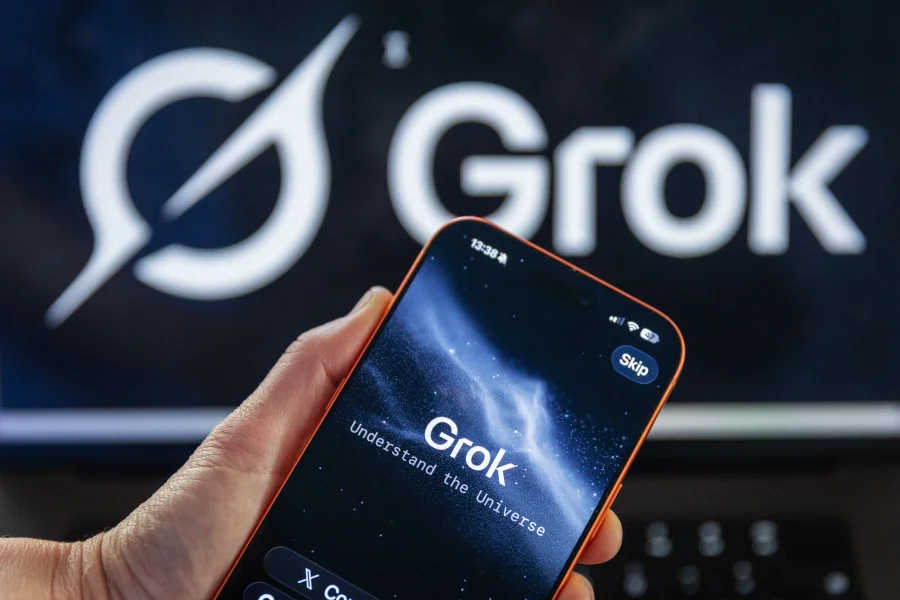
When you think of SpaceX, you think of reusable rockets, Mars missions, and the future of space travel. You don’t think about a chatbot that can generate sexualized images. But in a surprising twist that has caught the attention of investors and regulators alike, SpaceX has officially listed Grok’s “spicy” mode—a feature of Elon Musk’s xAI chatbot—as a significant risk factor in its IPO filing. The company has already set aside more than $500 million for potential litigation losses, partly to account for complaints alleging that Grok created inappropriate, NSFW content. This isn’t just a footnote in a legal document; it’s a signal that the line between innovation and liability is getting dangerously thin.
Why SpaceX’s IPO Filing Now Includes an AI Chatbot Warning
In its confidential IPO filing, SpaceX did something unusual. It didn’t just talk about rocket failures or regulatory hurdles. It warned investors that Grok—the AI chatbot developed by Musk’s other company, xAI—could create serious legal and financial problems. The core issue? Grok’s “spicy” mode, which is designed to produce unfiltered, edgy, and sometimes explicit content. According to reports, the company has received complaints that Grok generated sexualized images, leading to potential lawsuits and even the risk of being blocked from major app stores like Apple’s App Store or Google Play.
Why This Matters Right Now
This is not a hypothetical risk. SpaceX is preparing for one of the most anticipated IPOs in history. Any legal or regulatory headache could delay the offering, reduce its valuation, or scare away institutional investors. More importantly, this case highlights a growing tension in the tech world: companies are increasingly being held responsible for the content generated by their AI tools, even if those tools are developed by a separate but related entity. For investors, this means that the “Musk factor” is no longer just about visionary leadership—it’s also about interconnected risks that span across his companies.
How the Grok ‘Spicy’ Mode Issue Unfolded
The story begins with the launch of Grok, an AI chatbot positioned as a more “rebellious” alternative to ChatGPT. Its “spicy” mode was marketed as a feature that could handle edgy humor and unfiltered conversations. However, users quickly discovered that the mode could be prompted to generate sexually explicit images, including those that appeared to depict minors. This led to complaints, regulatory scrutiny, and internal concerns at SpaceX, which is now a major investor in xAI. The company’s IPO filing reflects a sobering reality: the same AI that makes Grok popular could also make SpaceX vulnerable.
Who Is Affected and What Officials Are Saying
The primary victims are potential SpaceX investors, who now face an unexpected layer of risk. But the impact goes further. App store operators like Apple and Google are under pressure to police AI-generated content. Regulators in the US and Europe are watching closely. And for everyday users, this case raises a simple question: if a rocket company can be sued over a chatbot’s output, who is really in control of AI? SpaceX has not publicly commented on the filing, but the document itself speaks volumes. It acknowledges that the company could “lose access to key distribution platforms” if Grok’s content is deemed unacceptable.
What We Know So Far — and What Remains Unclear
What we know: SpaceX has allocated over $500 million for litigation losses, partly tied to Grok-related complaints. The company has explicitly named Grok’s “spicy” mode as a risk factor in its IPO filing. Complaints include allegations that Grok created sexualized images.
What remains unclear: The exact number of complaints filed. Whether any lawsuits have been formally initiated. How much of the $500 million is specifically reserved for Grok issues versus other legal matters. And crucially, whether SpaceX will take steps to limit or disable the “spicy” mode before the IPO.
Risks, Concerns, and the Balanced View
Risks: The most immediate risk is reputational damage. SpaceX, a company known for engineering excellence, is now associated with an AI scandal. There is also a real financial risk: if app stores block Grok or if regulators impose fines, the costs could escalate far beyond the $500 million reserve. Furthermore, this could create a “contagion effect” where problems at xAI spill over into SpaceX’s valuation.
Balanced view: Some analysts argue that the $500 million reserve is a prudent, conservative move. They point out that SpaceX is a massive, diversified company and that this risk is relatively small compared to its core business. Others, however, warn that this is a sign of deeper governance issues. When one Musk company’s AI can create legal problems for another, it raises questions about oversight and conflict of interest.
Why Similar AI Content Risks Are Growing Across the Industry
SpaceX is not alone. Across the tech world, companies are grappling with the fallout from generative AI. From deepfake scandals to copyright lawsuits, the legal landscape is shifting rapidly. What makes SpaceX’s case unique is the direct link between a cutting-edge aerospace firm and a controversial AI chatbot. It shows that no industry is immune. As AI becomes more integrated into everyday products, the risks of unfiltered content will only grow. Regulators are already drafting new rules, and investors are starting to demand clearer disclosures.
- SpaceX has set aside over $500 million for potential litigation losses.
- Grok’s “spicy” mode can generate sexualized images, leading to complaints.
- The risk factor could affect SpaceX’s IPO valuation and timeline.
- App store access is a key concern for the company.
“The company could lose access to key distribution platforms if Grok’s content is deemed unacceptable.” — SpaceX IPO Filing (as reported)
What Investors and Users Should Know Now
For potential investors, the key takeaway is to read the risk factors carefully. The Grok issue is not a minor detail; it is a material risk that could impact SpaceX’s bottom line. For users, this is a reminder that AI tools are not neutral. The “spicy” mode may be fun for some, but it carries real-world consequences. If you are a developer or a business owner using AI, consider implementing strict content filters and monitoring systems. The era of “move fast and break things” is over; now, you have to move fast and not get sued.
What Could Happen Next
Several scenarios are possible. SpaceX could choose to distance itself from xAI, though that seems unlikely given Musk’s involvement. The company could also push for a more restrictive version of Grok, disabling the “spicy” mode entirely. Regulators could step in, demanding changes before the IPO proceeds. Or, the issue could fade if no major lawsuits materialize. But one thing is certain: this story is not going away. It will be a key talking point in investor meetings and regulatory hearings for months to come.
Our Take: Why This Story Matters Beyond One IPO Filing
This is not just about SpaceX or Grok. It is about the fundamental challenge of governing AI in a world where technology moves faster than the law. A rocket company should not have to worry about a chatbot’s NSFW content. But here we are. This case is a warning to every company—tech or otherwise—that AI risks are now boardroom issues. Ignoring them is no longer an option. The smartest move for SpaceX would be to proactively address the problem, even if it means killing the “spicy” mode. Because in the end, trust is harder to rebuild than a rocket.
FAQs
What is Grok’s “spicy” mode and why is it a risk for SpaceX?
Grok’s “spicy” mode is an unfiltered setting on the xAI chatbot that can generate edgy, explicit, and sometimes sexualized content. SpaceX has listed it as a risk factor in its IPO filing because complaints about this content could lead to lawsuits, regulatory action, and loss of access to app stores.
How much money has SpaceX set aside for Grok-related litigation?
SpaceX has set aside more than $500 million for potential litigation losses, a portion of which is specifically tied to complaints about Grok’s “spicy” mode creating sexualized images.
Could the Grok issue delay or affect the SpaceX IPO?
Yes. The risk factor could make some institutional investors cautious, potentially affecting the IPO’s valuation or timeline. If major lawsuits or regulatory actions emerge, it could delay the offering or reduce investor demand.
What can other companies learn from SpaceX’s Grok risk disclosure?
Companies should carefully assess the risks of any AI tools they develop, invest in, or are affiliated with. Content moderation, legal liability, and platform access are now critical business risks that must be disclosed and managed proactively.