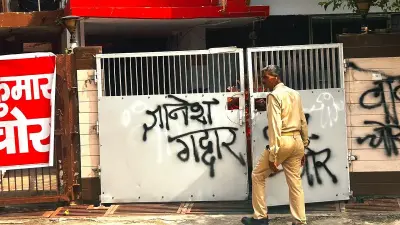
What started as a routine legal complaint has now snowballed into a major political flashpoint in West Bengal. An FIR has been registered against Mamata Banerjee, the state’s former chief minister and Trinamool Congress chief, following allegations that her remarks hurt the religious sentiments of millions of Sanatani Hindus and provoked communal disharmony. The case, filed at the Siliguri Cyber Crime Police Station, has reignited a fierce debate over freedom of speech, religious sensitivity, and the limits of political rhetoric in India’s most politically charged state.
The Complaint That Triggered the FIR
The complaint was filed by advocate Rinki Chattopadhyay Singh on 20 May at the Siliguri Cyber Crime Police Station. According to Singh, the police initially refused to register her complaint, and it was only after repeated follow-ups that the FIR was finally lodged. The lawyer alleged that two separate statements made by Banerjee — one during a religious event earlier this year and another at a Dharmatala protest ahead of the assembly elections — offended the sentiments of “millions of Sanatani Hindus across India and the world.” The complaint specifically accuses Banerjee of using language that could incite communal disharmony and hurt religious feelings.
Why This Matters Right Now
This is not just another legal case. It comes at a time when West Bengal is already witnessing heightened political tensions, with the ruling Trinamool Congress and the opposition BJP locked in a bitter battle over religious identity and cultural nationalism. The FIR against Mamata Banerjee — a leader who has often positioned herself as a secular counterweight to the BJP’s Hindutva politics — could have far-reaching implications. It raises uncomfortable questions about where the line between political speech and religious offense lies, and whether legal action is being used as a tool to silence political opponents. For millions of Bengalis and Indians watching this unfold, the case is a litmus test for how the state handles religious sentiment in a deeply polarized environment.
How the Incident Unfolded
The controversy traces back to two separate public appearances by Mamata Banerjee. The first was at a religious event earlier this year, where she allegedly made remarks that were later interpreted as derogatory toward Sanatan Dharma. The second instance occurred during a protest at Dharmatala, held ahead of the assembly elections, where Banerjee’s comments reportedly crossed a line for many Hindu devotees. While the exact wording of the remarks has not been officially released, the complaint claims they were “provocative” and “hurtful.” The lawyer, Rinki Chattopadhyay Singh, argued that the statements were not just offensive but also had the potential to disturb public order and communal harmony.
Who Is Affected and What Officials Are Saying
The immediate impact is on Mamata Banerjee herself, who now faces a legal battle alongside her ongoing political challenges. But the ripple effects are wider. The case has energized both supporters and critics. Banerjee’s party, the Trinamool Congress, has dismissed the FIR as a politically motivated move, accusing the BJP of using legal channels to harass opposition leaders. On the other hand, Hindu right-wing groups have welcomed the FIR, calling it a necessary step to protect religious sentiments. Police officials have confirmed the registration of the FIR but have not commented on the specifics of the investigation. “We have registered the complaint and are looking into the matter,” a senior officer said, speaking on condition of anonymity.
What We Know So Far — and What Remains Unclear
What is confirmed: An FIR has been filed against Mamata Banerjee at the Siliguri Cyber Crime Police Station based on a complaint by advocate Rinki Chattopadhyay Singh. The complaint cites two separate statements made by Banerjee that allegedly hurt religious sentiments and promoted communal disharmony. What remains unclear: The exact text of the remarks, whether the police will summon Banerjee for questioning, and how the legal process will unfold. Also unclear is whether the complaint will hold up in court, given the high bar for proving “hurt religious sentiments” under Indian law. The police’s initial reluctance to register the FIR also raises questions about the pressure and politics behind the case.
Risks, Concerns, and the Balanced View
There are several risks here. First, the case could further polarize an already divided political landscape in West Bengal. Second, it could set a precedent where political opponents use religious sentiment laws to file cases against each other, clogging the legal system. Third, it could embolden fringe groups to demand more such actions, potentially stifling free speech. On the flip side, supporters of the FIR argue that no one, not even a former chief minister, should be above the law when it comes to protecting religious sentiments. They point out that similar cases have been filed against BJP leaders in the past, and that the law must apply equally to all. The balanced view is that while religious sentiments deserve respect, the weaponization of such laws for political gain is a dangerous trend that undermines both justice and democracy.
Why Similar Trends Are Growing
This case is part of a larger pattern across India, where political leaders from all parties are increasingly facing legal action over alleged religious offenses. From remarks about deities to comments on religious practices, the line between political speech and hate speech is becoming thinner. In West Bengal, this trend is particularly pronounced, given the state’s history of communal tensions and the fierce rivalry between the TMC and BJP. The use of cyber crime police stations to register such complaints is also a growing phenomenon, as digital evidence and social media posts become central to these cases. This case could be a bellwether for how such disputes are handled in the future.
- The complaint was filed at the Siliguri Cyber Crime Police Station, highlighting the increasing role of cyber cells in religious sentiment cases.
- The lawyer alleged that the police initially refused to register the FIR, suggesting possible political interference or reluctance to act against a powerful leader.
- The case involves two separate statements, one from a religious event and another from a political protest, showing the breadth of the allegations.
“The remarks made by Mamata Banerjee have hurt the sentiments of millions of Sanatani Hindus across India and the world. We demand strict action.” — Advocate Rinki Chattopadhyay Singh, complainant
What Readers, Users, or Investors Should Know Now
For the average reader, this case is a reminder of how quickly political rhetoric can escalate into legal trouble. If you are a political commentator, journalist, or activist, it’s important to be aware of the legal boundaries around religious speech in India. For investors and businesses operating in West Bengal, this case adds another layer of political uncertainty, which could affect the state’s investment climate if tensions escalate. For now, the best course is to wait for the legal process to unfold and avoid jumping to conclusions based on political narratives.
What Could Happen Next
The immediate next step is likely to be a police investigation, which could involve summoning Mamata Banerjee for questioning. If the police find sufficient evidence, they may file a chargesheet, leading to a trial. However, given the political sensitivity, the case could also be challenged in court, with Banerjee’s legal team arguing that the remarks were taken out of context or that the complaint is frivolous. There is also a possibility of a political backlash, with the TMC organizing protests against what they call a “witch hunt.” The case could also become a rallying point for the BJP ahead of future elections in the state.
Our Take: Why This Story Matters Beyond One Incident
This FIR against Mamata Banerjee is not just about one leader or one set of remarks. It is a reflection of the deep religious and political fault lines running through Indian society today. It shows how the law is being used as a weapon in political battles, and how religious sentiment has become a powerful tool for mobilization. While it is important to protect religious feelings, it is equally important to ensure that such laws are not misused to silence dissent or target political opponents. This case will be watched closely as a test of India’s commitment to both secularism and free speech.
FAQs
What is the FIR against Mamata Banerjee about?
The FIR alleges that Mamata Banerjee made remarks during a religious event and a political protest that hurt the religious sentiments of Sanatani Hindus and provoked communal disharmony. The complaint was filed by advocate Rinki Chattopadhyay Singh at the Siliguri Cyber Crime Police Station.
Who filed the complaint against Mamata Banerjee?
The complaint was filed by advocate Rinki Chattopadhyay Singh. She alleged that the police initially refused to register the FIR and only acted after repeated follow-ups.
What are the possible legal consequences for Mamata Banerjee?
If the police investigation finds sufficient evidence, Mamata Banerjee could face legal proceedings under sections related to hurting religious sentiments and promoting communal disharmony. This could lead to a trial, though the case may also be challenged in court.
Why is this FIR significant for West Bengal politics?
This FIR is significant because it comes amid intense political rivalry between the TMC and BJP in West Bengal. It could further polarize the state’s political landscape and set a precedent for how religious sentiment cases are handled against political leaders.