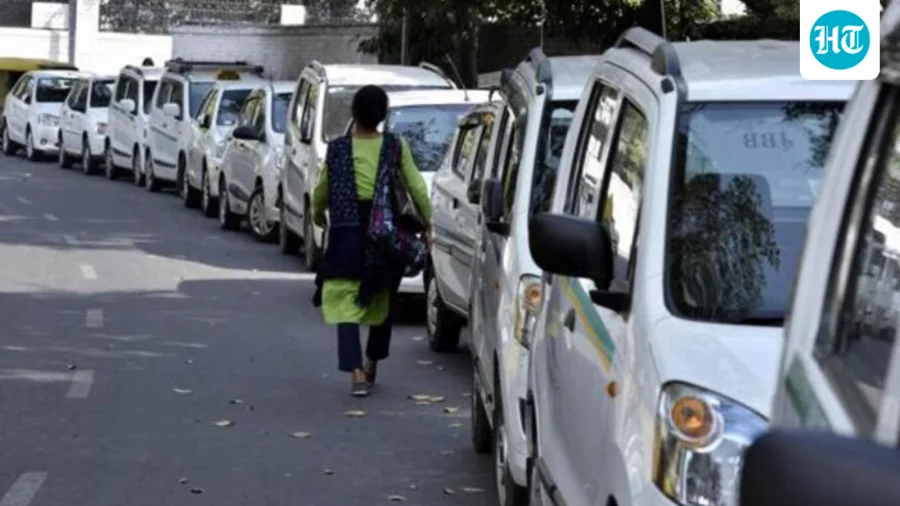
Thousands of commuters across Delhi-NCR woke up to empty roads and long waits this morning. The reason? A massive strike by cab and auto drivers that has brought the region's public transport to a standstill. But this isn't just another protest. Behind the strike lies a story of 15 years of ignored demands, rising costs, and a global conflict that is now hitting home for millions of Indians.
Why Are Delhi's Cabs and Autos on Strike Today?
The striking unions say taxi and auto fares in Delhi-NCR have not been revised for nearly 15 years despite repeated hikes in petrol, diesel and CNG prices. Drivers argue that rising fuel costs, vehicle maintenance expenses, insurance, permits and loan EMIs have pushed them into severe financial distress. The situation has become unbearable, they say, and today's strike is a last resort.
Why This Matters Right Now
This strike affects you directly. If you live in Delhi, Gurugram, Noida, or Ghaziabad, you are likely facing longer wait times, higher fares from the few available cabs, or simply no ride at all. But beyond the inconvenience, this is a warning sign. The financial pressure on drivers is so severe that thousands have chosen to lose a day's income rather than continue working under current conditions. It's a crisis that has been building for years, and the US-Iran war has now become the final straw.
How the US-Iran War Is Making Things Worse
The US-Iran conflict has sent global oil prices soaring. While India has tried to shield consumers, the impact on fuel prices — especially petrol, diesel, and CNG — has been unavoidable. For Delhi's cab and auto drivers, who rely almost entirely on CNG and petrol, every price hike cuts directly into their already thin margins. The strike is not just about old grievances; it's about a new reality where their livelihoods are being squeezed from all sides.
Who Is Affected and What Officials Are Saying
Commuters are the most visible victims. Students, office workers, and daily wage earners are all struggling to find transport. But the drivers themselves are the ones bearing the real burden. Many have taken loans to buy their vehicles, and with rising costs, they are falling behind on EMIs. Officials from the Delhi government have acknowledged the demands but say a fare revision requires a detailed study and approval process. Drivers say they have heard this for 15 years and can no longer wait.
What We Know So Far — and What Remains Unclear
What we know: The strike is widespread across Delhi-NCR. The primary demand is a fare revision. The US-Iran war has contributed to rising fuel prices. What remains unclear: How long the strike will continue. Whether the Delhi government will announce an emergency fare hike. And whether the drivers' unions will accept any partial solution. Negotiations are reportedly ongoing, but no breakthrough has been announced.
Risks, Concerns, and the Balanced View
From the drivers' perspective, the strike is a desperate but necessary move. They argue that without a fare revision, they cannot survive. From the commuter's perspective, the strike causes daily chaos and financial loss. From the government's perspective, a sudden fare hike could be politically unpopular and inflationary. The real risk is that if no solution is found, more strikes could follow, and the transport system in Delhi-NCR could face a prolonged crisis.
Why Similar Trends Are Growing Across India
Delhi is not alone. Cab and auto drivers in Mumbai, Bengaluru, and other major cities have also been demanding fare revisions. The common thread is rising fuel costs, stagnant fares, and the increasing financial pressure on drivers. The US-Iran war has only accelerated a trend that was already building. If global oil prices remain high, more strikes could become a regular feature across Indian cities.
- Delhi-NCR auto and cab fares have not been revised since 2010.
- CNG prices have risen by over 50% in the last two years.
- Drivers report earning as little as ₹500-800 per day after expenses.
"Taxi and auto fares in Delhi-NCR have not been revised for nearly 15 years despite repeated hikes in petrol, diesel and CNG prices. Drivers argue that rising fuel costs, vehicle maintenance expenses, insurance, permits and loan EMIs have pushed them into severe financial distress." — Striking unions, as reported by Hindustan Times
What Readers, Commuters, and Drivers Should Know Now
If you are a commuter, plan for delays today and possibly tomorrow. Check for alternative transport options like the Delhi Metro or bus services. If you are a driver, stay informed about union announcements and any government response. If you are a policymaker, this is a clear signal that the current fare structure is unsustainable. A temporary relief package or an emergency fare revision may be the only way to prevent a prolonged crisis.
What Could Happen Next
The most likely outcome is a temporary truce after negotiations, with the government promising a fare review. However, if no concrete action is taken, the strike could escalate or be repeated. In the longer term, the Delhi government may need to introduce a dynamic fare system linked to fuel prices, similar to what some other cities have done. The US-Iran situation will continue to influence fuel prices, meaning the pressure on drivers will not ease soon.
Our Take: Why This Story Matters Beyond One Strike
This strike is not just about fares. It is about the dignity of labour, the cost of living, and the way global events ripple down to affect ordinary people. A war thousands of miles away is now making it harder for a Delhi auto driver to feed his family. That is the real story here. And until our systems are designed to absorb such shocks, strikes like this will keep happening.
FAQs
Why are cabs and autos on strike in Delhi today?
Cab and auto drivers in Delhi-NCR are on strike to demand a fare revision. Fares have not been updated in nearly 15 years, while fuel prices have risen repeatedly. The US-Iran war has further increased fuel costs, making their financial situation critical.
How is the US-Iran war linked to the Delhi auto strike?
The US-Iran conflict has pushed global oil prices higher, leading to increased petrol, diesel, and CNG prices in India. For Delhi's auto and cab drivers, who depend on these fuels, the price hikes have made their already low earnings unsustainable, triggering the strike.
What are the main demands of the striking drivers?
The striking drivers are demanding an immediate revision of taxi and auto fares in Delhi-NCR to reflect the current cost of fuel, vehicle maintenance, insurance, permits, and loan EMIs. They argue that without a fare hike, they cannot continue to operate.
How long will the Delhi cab and auto strike last?
The duration of the strike is uncertain. It depends on negotiations between the drivers' unions and the Delhi government. If a fare revision or relief package is announced, the strike may end soon. Otherwise, it could continue or escalate.