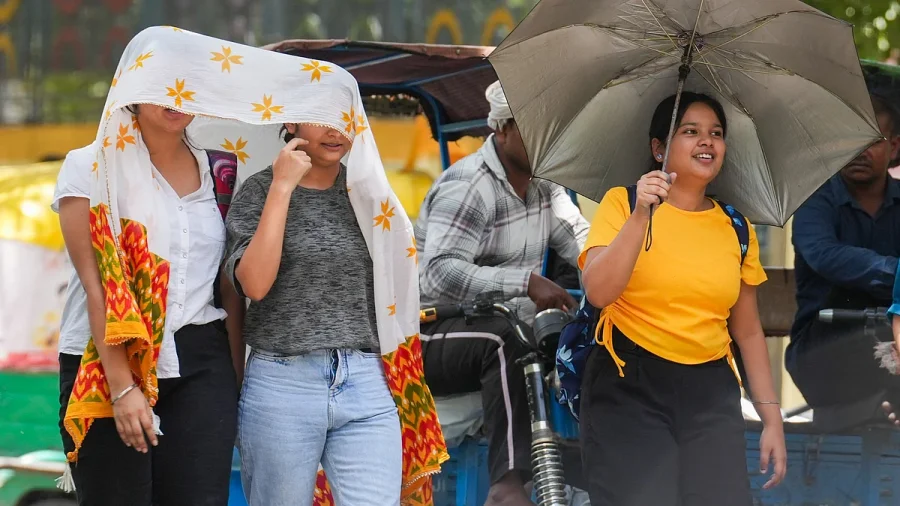
Every summer, the story is the same. The heat becomes unbearable. Fans whir. Air conditioners hum. And the power grid groans under the weight of a nation trying to stay cool. But a new analysis reveals something deeper and more alarming: it's not just the rising mercury. It's the cities themselves.
A study by Delhi-based climate research organisation Climate Trends has found that India's urban centres are becoming what experts call "giant heat traps." The Urban Heat Island (UHI) effect — where concrete, asphalt, and metal absorb heat during the day and release it slowly at night — is pushing temperatures in cities up to 10 degrees Celsius higher than nearby rural areas. And this is directly fuelling a surge in electricity demand that is testing the limits of the country's power infrastructure.
Why This Matters Right Now
This isn't just an environmental issue. It's a crisis of daily life. For the millions living in India's rapidly expanding cities, the UHI effect means hotter nights, more expensive electricity bills, and a growing dependence on cooling appliances that, in turn, generate more heat and consume more power. The analysis warns that this vicious cycle is placing "growing pressure" on the power grid, raising the risk of blackouts and straining resources at a time when energy demand is already at record highs. For the average household, this translates into higher costs and lower comfort. For the nation, it's a question of energy security and sustainable urban planning.
How Indian Cities Became 'Heat Traps'
The science behind the UHI effect is straightforward but its consequences are profound. In a natural landscape, trees, soil, and water bodies absorb and release heat gradually. But in a city, the story is different. Concrete roads, brick buildings, asphalt parking lots, and metal roofs act like giant solar panels. They soak up the sun's energy all day and then radiate that heat back into the air, especially at night. This prevents cities from cooling down, creating a persistent "heat bubble."
According to the Climate Trends analysis, this effect can make urban centres between 2°C and 10°C hotter than their rural surroundings. The report notes that while India has always experienced hot summers, the rapid pace of urbanisation — with little regard for green spaces, water bodies, or reflective materials — is dramatically amplifying the problem. "Rising temperatures alone do not explain why cities and towns are becoming increasingly unlivable during summers," the analysis states. "Rapid urbanisation is significantly amplifying heat stress, turning Indian cities into giant heat traps and driving a sharp rise in electricity demand."
Who Is Affected and What Officials Are Saying
The impact is felt most acutely by the urban poor, who often live in densely packed, poorly ventilated homes with little access to green spaces or efficient cooling. For them, the heat is not just uncomfortable — it's a health risk. The analysis highlights that increased heat stress leads to higher rates of heatstroke, dehydration, and other heat-related illnesses, putting additional strain on public health systems.
While the analysis itself is from a non-governmental organisation, it echoes growing concerns within government circles. Officials have acknowledged the link between urbanisation and rising power demand, but concrete policy responses remain fragmented. The report serves as a stark warning: without significant changes in urban planning, the problem will only worsen as more people move to cities.
What We Know So Far — and What Remains Unclear
What we know: The UHI effect is real and measurable. Cities like Delhi, Mumbai, Bengaluru, and Hyderabad are consistently hotter than their surrounding areas. This heat is directly linked to increased use of air conditioning and fans, which drives up electricity demand. The Climate Trends analysis provides a clear, data-backed link between urbanisation, heat stress, and power consumption.
What remains unclear: The exact contribution of the UHI effect to the overall rise in national power demand is still being studied. While the analysis is compelling, it does not provide a precise percentage breakdown. Additionally, the long-term effectiveness of proposed mitigation strategies — such as green roofs, cool pavements, and increased tree cover — is not yet fully understood in the Indian context. The report calls for more granular, city-level data to inform policy.
Risks, Concerns, and the Balanced View
The primary risk is a cascading failure. As cities get hotter, demand for cooling spikes. This forces power plants to run at full capacity, often using fossil fuels, which contributes to climate change and further warming. This creates a feedback loop that is difficult to break. There are also concerns about equity: wealthier residents can afford air conditioning, while poorer communities bear the brunt of the heat without the means to cool their homes.
However, it's important to note that the UHI effect is not an inevitable consequence of urbanisation. Cities like Singapore and Tokyo have successfully implemented green building codes and urban forestry programs to mitigate heat. The challenge for India is scale and speed. The analysis is not a doomsday prediction, but a call for urgent, coordinated action. The balanced view is that while the problem is serious, solutions exist — but they require political will, investment, and a shift in how we design our cities.
Why Similar Trends Are Growing Across India
The UHI effect is not limited to a few cities. The analysis notes that around 72% of Tier-I and Tier-II cities are likely to face increased heat stress in the coming years. This is driven by a combination of factors: rapid, unplanned urbanisation; the loss of green cover; the proliferation of heat-absorbing materials; and the increasing frequency of heatwaves due to climate change. As more Indians move to cities in search of economic opportunity, the problem is set to intensify unless fundamental changes are made to urban planning and infrastructure.
- Concrete and asphalt surfaces in cities can reach temperatures of 60-70°C on a hot day, radiating heat well into the night.
- The loss of trees and water bodies reduces natural cooling through shade and evaporation.
- Air conditioning units expel hot air into the immediate environment, making streets and public spaces even hotter.
"Rising temperatures alone do not explain why cities and towns are becoming increasingly unlivable during summers. Rapid urbanisation is significantly amplifying heat stress, turning Indian cities into giant heat traps." — Climate Trends analysis
What Readers, Residents, and Policymakers Should Know Now
For the average citizen, the immediate takeaway is to be aware of the heat risk and take precautions during heatwaves. But the deeper message is about advocacy. Residents can push for more green spaces, tree planting drives, and building codes that require reflective roofs and better insulation. For policymakers, the analysis is a clear signal to prioritise "cool city" initiatives. This includes mandating green roofs, using permeable and reflective pavements, creating urban forests, and protecting water bodies. The report also suggests that investments in energy-efficient cooling and a more resilient power grid are not optional — they are essential.
What Could Happen Next
If current trends continue, India's power demand will keep rising, potentially outpacing supply during peak summer months. This could lead to more frequent power cuts, higher electricity prices, and increased health risks. On the positive side, the growing awareness of the UHI effect is already prompting some cities to experiment with cool roofs and urban greening. The next few years will be critical. If India can successfully implement heat mitigation strategies at scale, it could serve as a model for other rapidly urbanising nations. If not, the "heat trap" will only tighten its grip.
Our Take: Why This Story Matters Beyond One Analysis
This analysis from Climate Trends is more than just a report. It's a mirror held up to the way we are building our future. Every new concrete building, every felled tree, every paved-over park is a decision that makes our cities hotter and our lives more dependent on energy. The UHI effect is a symptom of a deeper problem: a development model that prioritises short-term construction over long-term liveability. The good news is that we know what to do. The question is whether we have the collective will to do it before the next heatwave pushes the grid over the edge.
FAQs
What is the urban heat island effect and how does it affect India?
The urban heat island (UHI) effect is a phenomenon where cities are significantly hotter than surrounding rural areas due to the concentration of heat-absorbing materials like concrete, asphalt, and metal. In India, this effect can make cities up to 10°C hotter, increasing heat stress and driving up electricity demand for cooling.
How is the urban heat island effect linked to India's rising power demand?
As cities become hotter due to the UHI effect, residents rely more on air conditioners, fans, and coolers. This surge in cooling needs places immense pressure on the power grid, leading to higher electricity consumption, especially during peak summer months. The Climate Trends analysis directly links this urban heat to a sharp rise in power demand.
Which Indian cities are most affected by the urban heat island effect?
While the analysis highlights that the problem is widespread, major metropolitan areas like Delhi, Mumbai, Bengaluru, Hyderabad, and Chennai are particularly affected due to their dense construction and loss of green cover. The report warns that around 72% of Tier-I and Tier-II cities are likely to face increased heat stress.
What can be done to reduce the urban heat island effect in Indian cities?
Solutions include increasing green cover through tree planting and urban forests, using reflective "cool" roofs and pavements, creating more parks and water bodies, and implementing building codes that prioritise natural ventilation and heat reduction. These measures can lower city temperatures, reduce energy demand, and improve quality of life.