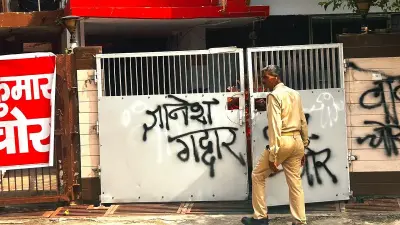
In a significant development that has reignited public outrage and demands for justice, the Supreme Court of India has agreed to hear the Twisha Sharma death case on May 25. Chief Justice Surya Kant will preside over the hearing, following allegations from the victim's family of serious procedural lapses in the ongoing investigation. The case, which has already sparked widespread protests in Madhya Pradesh, now moves to the highest judicial forum, raising hopes for a transparent and independent probe.
What the Supreme Court Hearing Means for the Twisha Sharma Case
The Supreme Court's intervention comes after the family of Twisha Sharma, a young woman who died under suspicious circumstances, approached the apex court seeking a fair investigation. The family has alleged that the local police investigation was compromised and that key evidence was mishandled. The Madhya Pradesh government has already recommended a Central Bureau of Investigation (CBI) probe into the matter, but the family believes only a court-monitored investigation can ensure justice.
Why This Matters Right Now
This case has become a flashpoint for concerns about dowry harassment, police accountability, and the rights of women in India. Twisha Sharma's death is not an isolated incident; it reflects a broader pattern of suspicious deaths of young married women where investigations are often delayed or mishandled. The Supreme Court's involvement sends a strong signal that such cases will be scrutinized at the highest level. For the family, it is a glimmer of hope after months of frustration. For the public, it is a test of whether the justice system can deliver in cases involving powerful families and local influence.
How the Case Unfolded: From Local Police to the Supreme Court
Twisha Sharma was found dead in her marital home in Madhya Pradesh earlier this year. Her family immediately alleged dowry harassment and claimed that her in-laws were responsible. The local police initially registered a case but the family accused them of a biased investigation. As public pressure mounted, the Madhya Pradesh government recommended a CBI probe. However, the family, unsatisfied with the pace and transparency, moved the Supreme Court. The apex court's decision to list the case for hearing on May 25, with CJI Surya Kant himself presiding, marks a crucial turning point.
Who Is Affected and What Officials Are Saying
The immediate impact is on Twisha Sharma's family, who have been fighting for justice for months. They have expressed cautious optimism about the Supreme Court hearing. "We have faith in the judiciary. We hope the truth will come out," a family member said. The Madhya Pradesh government has maintained that it has acted swiftly by recommending a CBI probe. However, critics argue that the government's response was delayed and only came after public outcry. The Supreme Court's hearing will now determine the next steps, including whether a CBI investigation will be court-monitored.
What We Know So Far — and What Remains Unclear
What is confirmed: Twisha Sharma died under suspicious circumstances in her marital home. Her family has alleged dowry harassment. The Madhya Pradesh government has recommended a CBI probe. The Supreme Court will hear the case on May 25. What remains unclear: The exact cause of death, whether the local police investigation was indeed compromised, and what specific evidence the family claims was mishandled. The Supreme Court's hearing is expected to bring clarity to these questions.
Risks, Concerns, and the Balanced View
While the Supreme Court's intervention is a positive step, there are risks. The case could face delays if the court schedules multiple hearings. There is also the possibility that the CBI probe, even if ordered, could be slow or face local resistance. On the other hand, supporters of the accused argue that the family's allegations are unproven and that the legal process should be allowed to take its course. The balanced view is that the Supreme Court's oversight will ensure that all evidence is examined impartially, but the outcome will depend on the quality of the investigation.
Why Similar Cases Are Growing in Public Consciousness
The Twisha Sharma case is part of a larger trend where suspicious deaths of married women are increasingly being challenged in higher courts. Cases like the death of CBI judge Loya and other dowry-related deaths have shown that public pressure and judicial intervention can lead to more transparent investigations. Social media has played a key role in amplifying these cases, forcing authorities to act. The Twisha Sharma case has seen widespread outrage on platforms like Facebook, Instagram, and YouTube, with hashtags like #JusticeForTwisha trending.
- The Madhya Pradesh government recommended a CBI probe after public outcry.
- The family has alleged that the local police investigation was biased.
- CJI Surya Kant will hear the case on May 25.
"We have faith in the judiciary. We hope the truth will come out." — Twisha Sharma's family member
What Readers, Users, or Investors Should Know Now
For those following the case, the key date to watch is May 25. The Supreme Court hearing will likely decide whether the CBI probe will be court-monitored. For activists and women's rights groups, this case is a reminder of the importance of judicial oversight in dowry-related deaths. For the general public, it is a test of the justice system's ability to handle sensitive cases without bias. Stay updated by following reliable news sources and official court announcements.
What Could Happen Next
After the May 25 hearing, the Supreme Court could order a CBI investigation with court monitoring, direct the state police to continue with oversight, or seek a status report from the Madhya Pradesh government. If a CBI probe is ordered, it could take months to complete. The family is likely to push for a time-bound investigation. The case could also set a precedent for how similar dowry death cases are handled in the future.
Our Take: Why This Story Matters Beyond One Incident
The Twisha Sharma case is not just about one family's quest for justice. It is a reflection of a systemic problem in India where young women continue to face dowry harassment, and investigations into their deaths are often inadequate. The Supreme Court's involvement is a reminder that the judiciary can act as a check on executive and local failures. However, the real test will be whether the investigation leads to a conviction. This case has the potential to restore faith in the justice system — or further erode it, depending on the outcome.
FAQs
What is the Twisha Sharma death case about?
The Twisha Sharma death case involves the suspicious death of a young woman in Madhya Pradesh, allegedly due to dowry harassment. Her family has accused her in-laws and has alleged procedural lapses in the police investigation.
Why is the Supreme Court hearing the Twisha Sharma case on May 25?
The Supreme Court will hear the case on May 25 after the family approached the apex court seeking a fair and independent investigation. Chief Justice Surya Kant will preside over the hearing.
What has the Madhya Pradesh government done in the Twisha Sharma case?
The Madhya Pradesh government has recommended a Central Bureau of Investigation (CBI) probe into the death. However, the family has expressed concerns about the transparency of the investigation and has sought court monitoring.
What could happen after the Supreme Court hearing on May 25?
The Supreme Court could order a CBI investigation with court monitoring, seek a status report from the state government, or direct further investigation by the local police with oversight. The outcome will depend on the arguments presented.