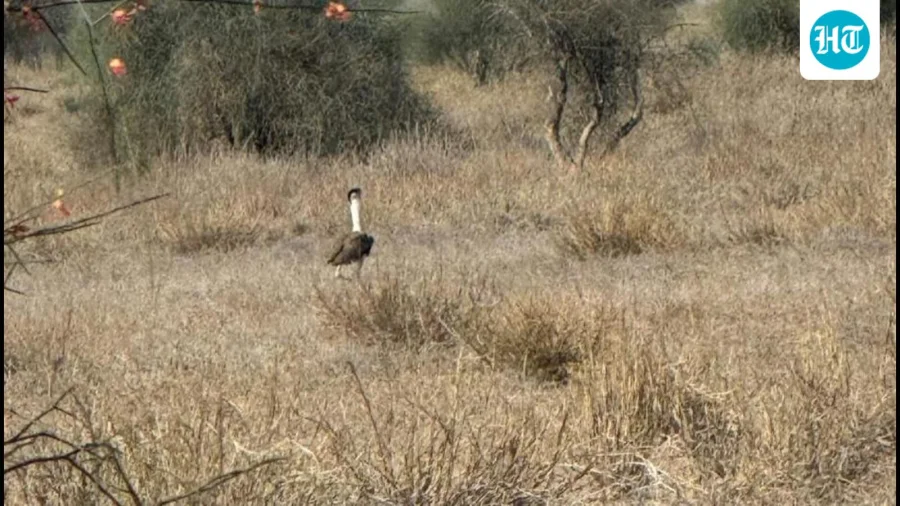
In the vast, sun-scorched landscapes of Rajasthan, a sight unfolded that few wildlife experts ever get to witness. Nine Great Indian Bustards — one of the world's most critically endangered birds — were spotted together in the wild, moving across the desert like a living miracle. For conservationists, this wasn't just a rare photograph. It was a flicker of hope in a decades-long battle to save a species teetering on the edge of extinction.
A Rare Gathering: What the Sighting Means for the Great Indian Bustard
Wildlife officials and bird experts confirmed the sighting of nine Great Indian Bustards (GIBs), locally known as Godawan, in the Desert National Park region of Rajasthan. The birds, known for their shy and solitary nature, are rarely seen in such numbers together. Experts described the event as a significant success for ongoing conservation efforts, suggesting that protective measures may be starting to yield results for this critically endangered species.
Why This Matters Right Now
With fewer than 200 Great Indian Bustards believed to remain in the wild, every sighting is critical. But seeing nine individuals together is extraordinary. It indicates that the birds are not only surviving but potentially thriving in protected pockets of their habitat. For a species that has lost over 90% of its population in the last century, this sighting offers a rare moment of optimism. It also underscores the urgent need to continue and expand conservation programs before it's too late.
How the Sighting Unfolded
The sighting was reported by wildlife enthusiasts and forest department personnel during routine monitoring in the Desert National Park area. The group of nine birds was observed foraging and moving together across the arid grassland, a behavior that is increasingly uncommon for this species. Officials from the Rajasthan Forest Department, which runs the dedicated Project Great Indian Bustard, have documented the event as a key data point in their conservation monitoring.
Who Is Affected and What Officials Are Saying
This sighting is a morale booster for the entire conservation community in India. Wildlife experts, forest officials, and local communities involved in protecting the GIB have all welcomed the news. The Rajasthan Forest Department, which launched Project Great Indian Bustard in 2013, has been working tirelessly to protect the remaining population. Officials have stated that such sightings validate the efforts being made to secure the bird's habitat and reduce threats like power line collisions and habitat degradation.
What We Know So Far — and What Remains Unclear
What we know: Nine Great Indian Bustards were spotted together in the Desert National Park region. The sighting is considered rare and significant. The birds appeared healthy and were exhibiting natural behavior.
What remains unclear: Whether this group represents a temporary gathering or a more permanent social structure. It is also unclear if this indicates a local population increase or simply a seasonal aggregation. Long-term monitoring will be needed to understand the full implications.
Risks, Concerns, and the Balanced View
While this sighting is cause for celebration, experts caution against over-optimism. The Great Indian Bustard remains critically endangered, facing threats from power line collisions, habitat loss due to agriculture and infrastructure development, and predation. A single sighting, however encouraging, does not reverse the species' precarious status. Conservationists emphasize that sustained efforts, including habitat protection, power line mitigation, and captive breeding programs, remain essential for the bird's survival.
Why Similar Trends or Concerns Are Growing
The Great Indian Bustard's decline mirrors a global crisis for grassland birds. Across India, rapid development, agricultural expansion, and energy infrastructure have fragmented the bird's natural habitat. Power lines, in particular, have been a major killer, with collisions causing significant mortality. The sighting of nine birds together is a reminder of what was once common — and what could still be saved if conservation efforts are scaled up.
- The Great Indian Bustard population has declined from an estimated 1,000+ in the 1960s to fewer than 200 today.
- Rajasthan is home to the largest remaining wild population of the species.
- Project Great Indian Bustard, launched in 2013, focuses on habitat protection, community engagement, and threat mitigation.
"The sighting of nine Great Indian Bustards together is a significant success for our conservation efforts. It shows that when we protect their habitat, these magnificent birds can still thrive." — Rajasthan Forest Department Official
What Readers, Bird Lovers, and Conservationists Should Know Now
This sighting is a reminder that conservation works, but it is fragile. Readers can support efforts by spreading awareness about the Great Indian Bustard's plight, supporting organizations working on grassland conservation, and advocating for wildlife-friendly infrastructure. If you are in Rajasthan, visiting protected areas responsibly and reporting sightings to forest officials can also help.
What Could Happen Next
Conservationists hope this sighting will encourage further investment in Project Great Indian Bustard and similar initiatives. Plans to install bird diverters on power lines and expand protected habitats are already underway. If these efforts continue, there is cautious hope that the Great Indian Bustard population could stabilize or even begin to recover. However, the window of opportunity is narrow, and every sighting like this one is a precious reminder of what is at stake.
Our Take: Why This Story Matters Beyond One Sighting
This is not just a story about nine birds. It is a story about what happens when humans decide to act before it is too late. The Great Indian Bustard is a symbol of India's vanishing grasslands — an ecosystem as vital as forests but far less protected. Every time a group like this is spotted, it is proof that nature can heal if given a chance. But it is also a warning: without sustained effort, these sightings will become even rarer, until one day, they stop altogether. This sighting is hope. But hope, without action, is just a photograph.
FAQs
Why is the sighting of nine Great Indian Bustards together so rare?
The Great Indian Bustard is a critically endangered species with fewer than 200 individuals left in the wild. They are naturally shy and solitary birds, so seeing them in a group of nine is highly unusual and indicates a healthy, undisturbed habitat.
Where in Rajasthan were the Great Indian Bustards spotted?
The sighting occurred in the Desert National Park region of Rajasthan, which is a key protected area for the species. This region is part of the state's ongoing Project Great Indian Bustard conservation program.
What is being done to save the Great Indian Bustard in India?
Rajasthan's Project Great Indian Bustard, launched in 2013, focuses on habitat protection, community involvement, and mitigating threats like power line collisions. Captive breeding programs are also underway to boost the population.
How can the public help protect the Great Indian Bustard?
People can help by spreading awareness about the bird's plight, supporting conservation organizations, and advocating for wildlife-friendly infrastructure. If you live in or visit Rajasthan, report any sightings to local forest officials and avoid disturbing their habitat.