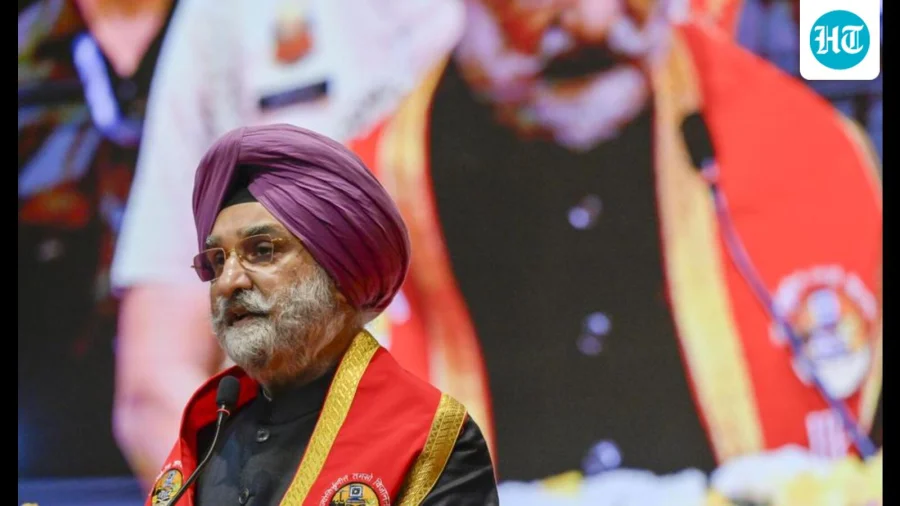
For decades, Delhi has been a city of contrasts — a bustling capital with world-class aspirations, yet often held back by fragmented governance and infrastructure strain. But a new vision, unveiled by Lieutenant Governor Taranjit Singh Sandhu, is aiming to change that narrative entirely. Speaking at an event on Indo-Japanese relations, Sandhu laid out a bold, five-pillar roadmap that could redefine what it means to live, work, and invest in the national capital. This isn't just another government announcement; it's a blueprint that could reshape the lives of millions and position Delhi on the global stage.
Delhi's Five-Pillar Vision: From Metro to Metropolis
The core of the LG's vision rests on five key pillars, each designed to address a critical aspect of urban life. These are not just abstract ideas but concrete focus areas that aim to create a city that is efficient, sustainable, and resilient. The pillars include smart mobility, sustainable development, water and environmental management, disaster resilience, and the transformation of Dwarka into a global hub for innovation and investment. This integrated approach signals a shift from piecemeal projects to a holistic, ecosystem-based strategy for urban transformation.
Why This Matters Right Now
Delhi is at a crossroads. Its population is growing, its infrastructure is under immense pressure, and its environmental challenges are becoming more acute. For residents, this vision offers a glimpse of a future with less congestion, cleaner air, and more reliable services. For businesses and investors, it signals a clear direction — a commitment to creating a world-class urban environment that can attract global talent and capital. The timing is critical, as cities across India compete for investment and recognition on the world stage. This roadmap could be the differentiator that puts Delhi ahead.
How the Vision Unfolded: The Indo-Japanese Connection
The vision was presented at a specific event focused on Indo-Japanese relations, highlighting a key strategic partnership. The LG emphasized that Delhi's future development could be significantly accelerated by leveraging the expertise and investment from Japan, a global leader in urban planning, smart technology, and disaster-resilient infrastructure. This is not just about borrowing ideas; it's about building a collaborative framework where Japanese innovation meets Delhi's ambition. The event served as a platform to signal this intent to a key international partner.
Who Is Affected and What Officials Are Saying
The impact of this vision will be felt by every Delhi resident, from daily commuters to business owners. The focus on smart mobility promises to ease traffic congestion and improve public transport. Sustainable development goals aim to improve air quality and green cover. Water management is a direct response to the city's perennial water scarcity. The LG's office has framed this as a citizen-centric initiative, stating that the ultimate goal is to improve the quality of life for all. "Delhi's future development must rest on these five key pillars," Sandhu said, according to reports, underscoring the comprehensive nature of the plan.
What We Know So Far — and What Remains Unclear
What is clear is the LG's commitment to an integrated governance model and the five-pillar framework. The specific focus on Dwarka as a global hub for innovation is a concrete, actionable goal. However, what remains unclear is the detailed implementation timeline, the specific funding mechanisms, and the exact role of the Delhi government in executing this vision. While the roadmap is ambitious, the success will depend on seamless coordination between various agencies and the ability to secure long-term investment. The public is waiting for more granular details on how these pillars will translate into tangible projects on the ground.
Risks, Concerns, and the Balanced View
While the vision is aspirational, it is not without its challenges. The primary risk is execution. Delhi has seen many ambitious master plans that have faltered due to bureaucratic hurdles, land acquisition issues, and political disagreements. The success of this vision hinges on the LG's ability to foster cooperation with the elected government and various municipal bodies. There is also the question of financial viability. Transforming a city of Delhi's scale requires massive investment, and the reliance on foreign partnerships, while promising, can be subject to geopolitical and economic shifts. Critics may also point to the need for more focus on social infrastructure, such as affordable housing and healthcare, which are not explicitly mentioned in the five pillars.
Why Similar Urban Transformation Trends Are Growing
Delhi is not alone in this ambition. Cities across the world, from Singapore to Seoul, are undergoing similar transformations, driven by the need to become more competitive, sustainable, and livable. The concept of a "global metropolis" is increasingly tied to a city's ability to attract talent, foster innovation, and provide a high quality of life. This vision for Delhi aligns with a global trend where urban centers are reimagining themselves as ecosystems rather than just administrative units. The focus on smart mobility and sustainable development mirrors the priorities of leading global cities, suggesting Delhi is benchmarking itself against the best.
- The vision emphasizes an integrated governance model, moving away from siloed departmental approaches.
- The India-Japan partnership is seen as a key enabler, bringing in world-class expertise in urban planning and disaster resilience.
- The transformation of Dwarka is a flagship project, aiming to create a self-sustaining hub for knowledge-based industries.
"Delhi's future development must rest on five key pillars — smart mobility, sustainable development, water and environmental management, disaster resilience, and the transformation of Dwarka into a global hub for innovation and investment." — Lieutenant Governor Taranjit Singh Sandhu, as reported by Times of India.
What Residents, Investors, and Businesses Should Know Now
For residents, this vision signals a long-term commitment to improving urban life. It is a reason to be cautiously optimistic, but also to remain engaged and hold authorities accountable. For investors and businesses, particularly in the real estate, technology, and infrastructure sectors, this is a clear signal of where future opportunities will lie. The focus on Dwarka as a global hub is a particularly strong indicator of where development will be concentrated. Businesses should start exploring partnerships and aligning their strategies with the five pillars. The key is to stay informed and be prepared for a gradual, phased transformation rather than an overnight change.
What Could Happen Next
The immediate next steps will likely involve the formation of a task force or a special purpose vehicle to oversee the implementation of the vision. We can expect detailed project reports for each of the five pillars, followed by requests for proposals and international tenders. The government will likely engage in a series of roadshows to attract investment, particularly from Japan. The transformation of Dwarka will be a key early milestone, serving as a test case for the entire vision. The coming months will be crucial in determining whether this ambitious roadmap can move from a speech to a reality.
Our Take: Why This Story Matters Beyond One Announcement
This is more than just a policy announcement. It represents a fundamental shift in how Delhi's leadership is thinking about the city's future. The move from a "metro" to a "metropolis" is not just semantic; it's a change in mindset from managing a large city to building a world-class urban ecosystem. The emphasis on integrated governance and international partnerships signals a mature, strategic approach. While the challenges are immense, the direction is clear and ambitious. For Delhi to truly become a global metropolis, this vision must be executed with transparency, efficiency, and a relentless focus on the citizen. If successful, it could serve as a model for other Indian cities aspiring to make their mark on the world.
FAQs
What is the main goal of the LG's vision for Delhi?
The main goal is to transform Delhi from a metro into a global metropolis by focusing on five key pillars: smart mobility, sustainable development, water and environmental management, disaster resilience, and making Dwarka a global innovation hub. The vision emphasizes integrated governance and leveraging international partnerships.
How will the Delhi LG's vision improve daily life for residents?
The vision aims to improve daily life by reducing traffic congestion through smart mobility solutions, improving air quality and green cover through sustainable development, and ensuring better water management. The overall goal is to create a more livable, efficient, and resilient city for all residents.
What is the role of the India-Japan partnership in this transformation?
The India-Japan partnership is a key strategic element of the vision. Japan is a global leader in urban planning, smart technology, and disaster-resilient infrastructure. The LG aims to leverage Japanese expertise and investment to accelerate Delhi's transformation and implement world-class solutions.
Why is Dwarka being specifically highlighted as a global hub?
Dwarka is being positioned as a flagship project to demonstrate the potential of the entire vision. It is envisioned as a self-sustaining hub for knowledge-based industries, innovation, and investment. Its success is intended to serve as a model for the rest of Delhi's transformation into a global metropolis.