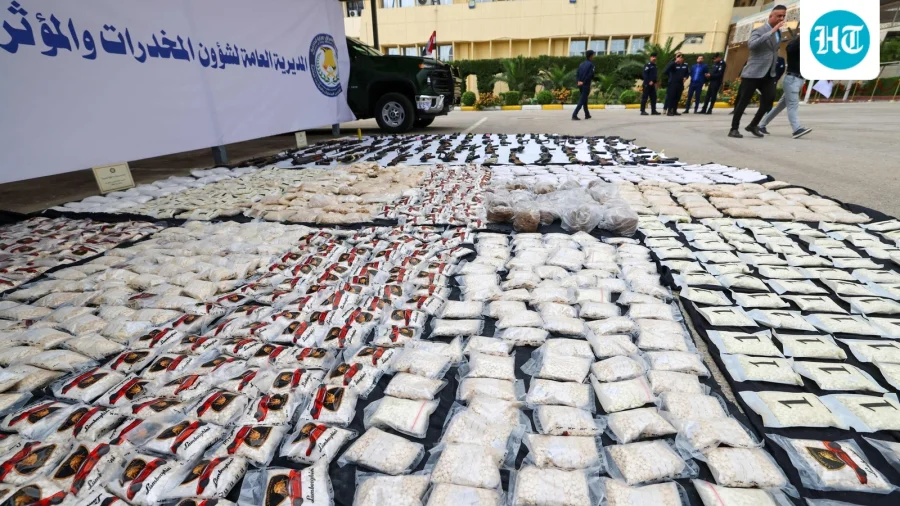
A new report based on Narcotics Control Bureau (NCB) data has painted a stark picture of the drug trade in eastern and northeastern India. Assam has emerged as the state with the highest number of drug trafficking arrests, while Manipur has recorded the largest seizures of heroin. The findings, covering 12 states in the region, reveal the scale of a crisis that shows no signs of abating.
Assam tops drug trafficking arrests in East, Northeast — what the NCB data reveals
According to the cross-border drug trafficking and seizure report, Assam recorded the highest number of arrests related to drug trafficking across the entire eastern and northeastern region. The data, compiled from NCB records, indicates that law enforcement agencies in Assam have been particularly active in cracking down on the trade. However, the high number of arrests also points to the deep entrenchment of drug networks in the state, which shares a long and porous border with Bangladesh and is a key transit point for narcotics entering India.
Why This Matters Right Now
This data is not just a set of numbers. It reflects a real and growing threat to communities across the region. The surge in drug trafficking has been linked to rising addiction rates, increased crime, and the destabilization of border areas. For residents of Assam and Manipur, this is a daily reality. For the rest of India, it is a warning that the drug trade is not a distant problem — it is a national security and public health crisis that is intensifying. Understanding which states are most affected helps authorities allocate resources and design targeted interventions.
How the Drug Trafficking Crisis Unfolded in the Region
The northeastern states of India have long been vulnerable to drug trafficking due to their geography. The region shares borders with Myanmar, the world's second-largest producer of opium, and Bangladesh, a major transit route. Over the past decade, the trade has evolved from small-scale smuggling to organized, cross-border operations involving sophisticated networks. The latest NCB data is a snapshot of this ongoing battle. Assam, with its extensive riverine and land borders, has become a primary entry point for drugs like heroin, methamphetamine, and cannabis. Manipur, located near the infamous "Golden Triangle," has seen a surge in heroin seizures, indicating that the state is not just a transit point but also a destination for the drug.
Who Is Affected and What Officials Are Saying
The impact is felt most acutely by vulnerable communities in border districts. Young people are increasingly falling prey to addiction, and families are being torn apart. Local law enforcement agencies are on the front lines, often risking their lives in raids and intercepts. NCB officials have emphasized the need for greater coordination between state and central agencies. "The data shows that while we are making arrests, the volume of drugs entering the region remains alarmingly high," a senior NCB official said, speaking on condition of anonymity. "We need more intelligence-sharing and stronger border management."
What We Know So Far — and What Remains Unclear
What we know: Assam leads in drug trafficking arrests, and Manipur leads in heroin seizures. The data covers 12 states and is based on NCB records. What remains unclear is the full extent of the drug trade that goes undetected. Arrest and seizure data only capture a fraction of the actual flow of narcotics. It is also unclear how much of the heroin seized in Manipur is destined for other parts of India or for international markets. The report does not specify the exact time period covered, which limits the ability to assess trends over time.
Risks, Concerns, and the Balanced View
The high arrest numbers in Assam could be interpreted in two ways. On one hand, they reflect the effectiveness of law enforcement. On the other, they suggest that the drug trade is deeply embedded and that supply remains robust. Similarly, Manipur's lead in heroin seizures could indicate successful interdiction, but it also raises concerns about the scale of consumption within the state. Critics argue that without a focus on demand reduction — through treatment and rehabilitation — enforcement alone will not solve the problem. There is also the risk of corruption, with some local officials allegedly complicit in the trade.
Why Similar Trends Are Growing Across the Region
The drug trade in eastern and northeastern India is part of a larger regional pattern. The instability in Myanmar following the 2021 coup has led to a surge in opium and methamphetamine production. Traffickers are exploiting weak border controls and the difficult terrain. Similar trends are being observed in other border states like Mizoram and Nagaland. The use of new trafficking routes, including through Bangladesh and Nepal, is also on the rise. The NCB data is a reminder that this is not a localized problem but a transnational crisis that requires a coordinated response.
- Assam shares a 262 km border with Bangladesh, a key transit route for drugs.
- Manipur shares a 398 km border with Myanmar, the source of much of the heroin.
- The NCB has reported a 30% increase in drug seizures in the northeast over the past two years.
"Drug trafficking is a menace that threatens our youth and our society. We are committed to dismantling these networks, but we need the support of the public and stronger international cooperation." — A senior NCB official
What Readers, Users, or Investors Should Know Now
For residents of Assam and Manipur, awareness is the first line of defense. Communities should report suspicious activity to local police or the NCB helpline. Parents and educators should be vigilant about signs of drug abuse among young people. For policymakers, the data underscores the urgent need for better border surveillance, investment in rehabilitation centers, and cross-border intelligence sharing. For investors and businesses operating in the region, the drug trade poses a risk to social stability and the local economy.
What Could Happen Next
If current trends continue, the drug trade in the region is likely to expand. The NCB is expected to increase its presence in the northeast, with more joint operations with state police and paramilitary forces. There may also be a push for stricter laws and harsher penalties for traffickers. However, without addressing the root causes — poverty, lack of opportunity, and weak governance — the problem will persist. The next few months will be critical in determining whether the authorities can turn the tide.
Our Take: Why This Story Matters Beyond One Incident
This report is more than a statistical exercise. It is a warning. The fact that Assam tops the list of arrests and Manipur leads in heroin seizures is not a cause for celebration — it is a call to action. The drug trade is a silent epidemic that is destroying lives and communities. The NCB data gives us a glimpse of the scale of the problem, but the true picture is likely far worse. This story matters because it affects every Indian, whether directly or indirectly. The fight against drugs is not just a law enforcement issue; it is a battle for the future of our youth and the security of our nation.
FAQs
Which state has the highest number of drug trafficking arrests in eastern and northeastern India?
According to the NCB-based report, Assam has recorded the highest number of drug trafficking arrests in the region.
Which state leads in heroin seizures in the northeast?
Manipur has reported the largest seizures of heroin, according to the same report.
What is the source of the data for this report?
The report is based on cross-border drug trafficking and seizure data compiled from the Narcotics Control Bureau (NCB).
Why is the drug trade so prevalent in Assam and Manipur?
Both states share long, porous borders with Bangladesh and Myanmar, making them vulnerable to drug trafficking. The instability in Myanmar has also contributed to a surge in production.