Summary
For a long time, the standard path to success was simple: go to college, get a degree, and find a desk job. However, entrepreneur Daniel Priestley suggests this old model is breaking down. He predicts that artificial intelligence (AI) will change the job market so much that plumbers may soon earn more than lawyers. As AI takes over office tasks, the demand for skilled physical labor is rising, creating a major shift in how people view the American Dream.
Main Impact
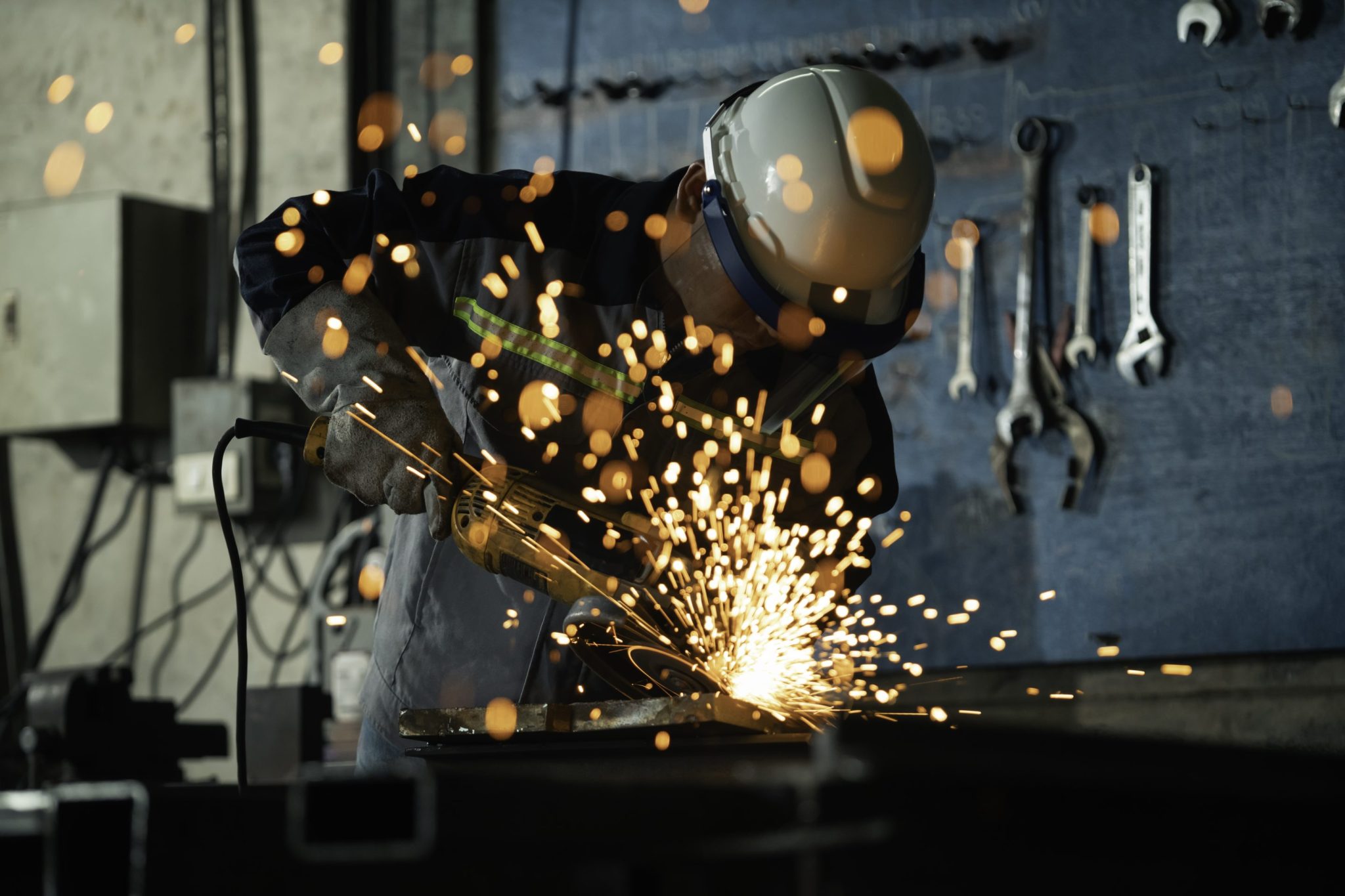
The biggest change is the "flipping" of the job hierarchy. In the past, white-collar jobs like law and consulting were seen as the most stable and high-paying. Now, these roles face a huge threat from AI software that can do research and writing in seconds. On the other hand, blue-collar jobs that require physical work cannot be easily replaced by a computer. This shift is making trades more valuable and office jobs more risky for new workers.
Key Details
What Happened
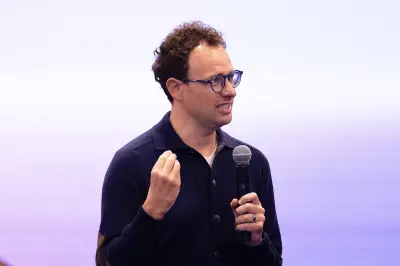
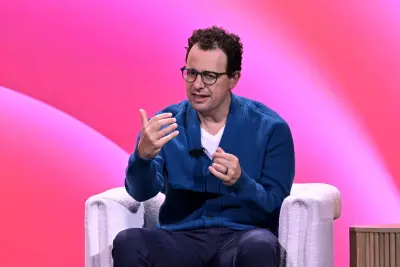
Daniel Priestley, the head of an entrepreneur accelerator called Dent Global, shared his views on a popular business podcast. He explained that he has never seen this much fear regarding job disruption in his 25 years of building companies. He believes the "pendulum" is swinging away from screen-based work and toward hands-on labor. Other business leaders, including Ford CEO Jim Farley, have shared similar concerns, noting that the "essential economy" of physical labor is being ignored by the current education system.
Important Numbers and Facts
The data shows that this shift is already happening. Hiring for entry-level jobs at tech companies has dropped by 50% since 2019. Experts at the Brookings Institute suggest that 30% of American workers could see at least half of their daily tasks handled by AI very soon. Meanwhile, the blue-collar sector contributes about $12 trillion to the U.S. economy. Because so many people chose college over trades, there is now a massive shortage of electricians, plumbers, and HVAC technicians.
Background and Context
This situation was caused by years of focusing only on four-year university degrees. The government backed student loans for many different types of degrees, but many of these did not lead to high-paying jobs. This created a "market distortion" where thousands of young people graduated with heavy debt but no specific skills that employers needed. At the same time, the older generation of tradespeople is retiring, leaving a gap that is hard to fill. This shortage has driven up the wages for people who can fix houses, build infrastructure, and maintain machines.
Public or Industry Reaction
Younger generations are starting to notice these trends. Members of Gen Z are increasingly skipping traditional college to attend vocational schools. In 2023, enrollment in trade-focused community colleges rose by 16%, the highest jump in years. Many young people say they are tired of the idea that a degree guarantees a good life. Some have already started their own blue-collar businesses and are earning six-figure salaries in their early 20s. Public opinion is also shifting, with nearly 80% of Americans noticing that more young adults are interested in trade careers than before.
What This Means Going Forward
The speed of this change is what makes it different from past industrial shifts. When the steam engine or electricity was invented, it took decades to build the infrastructure needed to change the world. AI is different because the digital network already exists. Once an AI learns how to perform a legal or accounting task, that knowledge can be sent to every computer in the world instantly. This means white-collar jobs could change or disappear much faster than people expect. For those entering the workforce, the safest path might be a job that requires a physical presence and manual skill.
Final Take
The future of work is becoming more about what you can do in the physical world rather than what you can type on a keyboard. While technology will continue to grow, the value of a skilled tradesperson is becoming impossible to ignore. Those who can combine technical knowledge with physical skill will likely be the ones who thrive in the new economy.
Frequently Asked Questions
Why are plumbers expected to earn more than lawyers?
AI can quickly handle many tasks that lawyers do, such as research and document drafting, which lowers the demand for human lawyers. However, AI cannot fix a physical plumbing problem, and the shortage of skilled plumbers is driving their wages higher.
Is Gen Z really choosing trades over college?
Yes, data shows a 16% increase in vocational school enrollment. Many young people are choosing trades to avoid student debt and to enter a job market where their skills are in high demand.
How much of the workforce will AI affect?
Studies suggest that about 30% of U.S. workers could see at least half of their work tasks changed or replaced by generative AI. This impact is expected to be strongest in office-based, white-collar roles.